

How to Run a Team Building Scavenger Hunt That Doesn’t Suck
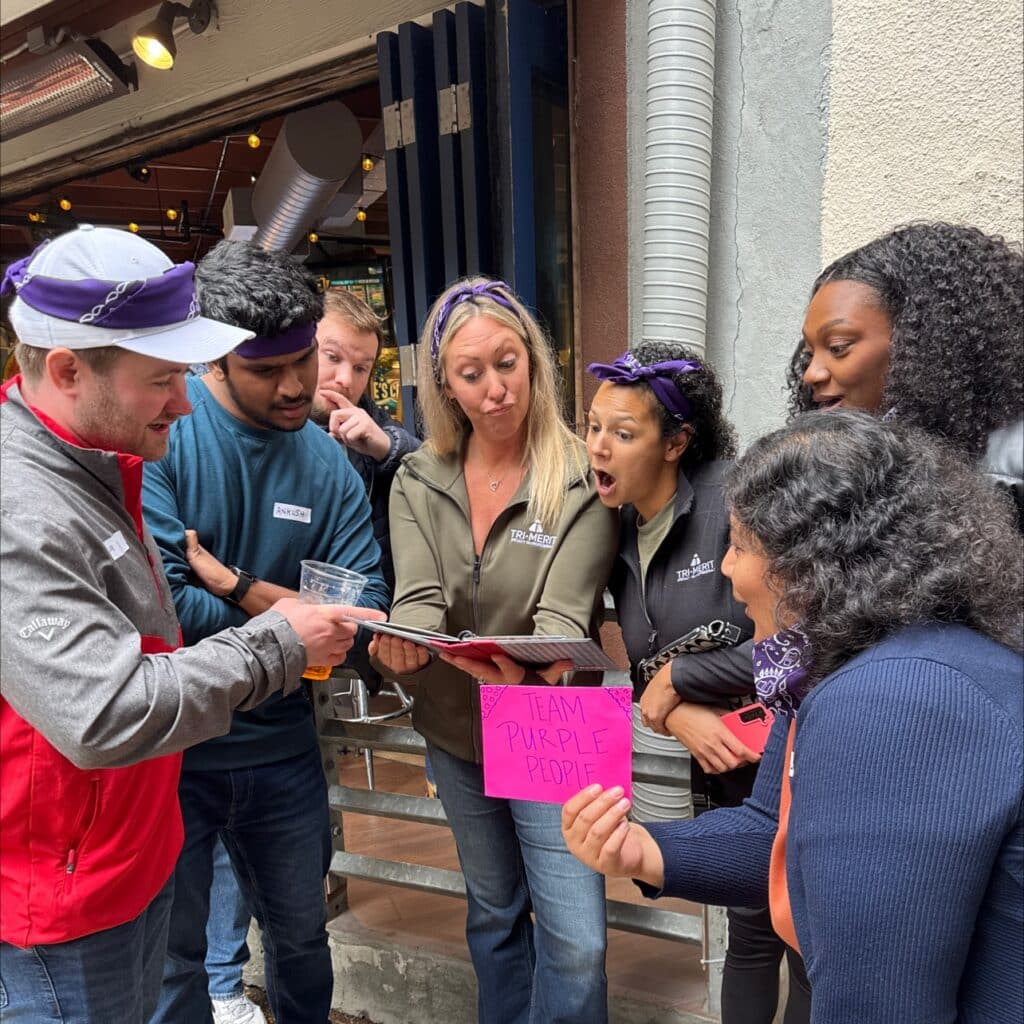
A team building scavenger hunt is a fun, flexible way to boost collaboration, communication, and morale while engaging employees in meaningful teamwork. This guide shows you how to plan, run, and maximize a successful scavenger hunt team building activity for any team.
Main points:
- Define clear goals (icebreaking, collaboration, morale) and choose the right format (virtual, in-person, competitive, or collaborative)
- Plan logistics carefully, including location, rules, timing, and scoring
- Use diverse challenges like puzzles, photo tasks, and interactive activities to keep teams engaged
- Execute with clear instructions, high energy, and balanced competition
- Wrap up with recognition, team reflection, and insights to reinforce workplace skills
———————
Get into the city for something active, hilarious, and actually worth talking about on Monday. A team building scavenger hunt is one of the easiest ways to turn coworkers into collaborators without making everyone suffer through awkward icebreakers, trust falls, or another sad conference-room activity with stale coffee.
This is team building with a pulse.
It gets people moving. It gets them laughing. It gets them solving clues, taking ridiculous photos, racing the clock, and realizing that maybe, just maybe, finance and marketing can be on the same team without total chaos.
Whether you’re planning an in-office event, an outdoor adventure, or a remote experience, a well-built scavenger hunt team building activity can boost morale, build stronger relationships, and create the kind of shared memories your team will be quoting for months.
No forced fun. No corporate cringe. Just an epic way to bring people together.
1. Why a Team Building Scavenger Hunt Actually Works
Here’s the thing: most team building activities sound good in theory, then get weird fast.
A scavenger hunt team building game flips the whole vibe. Instead of asking people to sit in a circle and “share something interesting,” you put them in motion. Suddenly, they’re communicating, strategizing, problem-solving, delegating, laughing, and competing. All without feeling like they’re in a workplace training session.
That’s the magic.
A good team building scavenger hunt brings real workplace skills to life under the disguise of a game. Research shows that teamwork builds trust, collaboration, and productivity. Teams have to make quick decisions, trust each other, divide responsibilities, and stay cool when the clock is ticking.
Basically, it’s leadership development wearing sunglasses.
The biggest benefits of team building scavenger hunts include:
- Better communication under pressure
- Stronger collaboration across departments
- Higher morale and engagement
- Creative problem-solving in real time
- More trust between teammates
- A shared story your team actually wants to retell
And the best part? This format is wildly flexible.
You can run a scavenger hunt team building activity in the office, around a city, at a park, on the beach, during a retreat, or fully virtual for remote teams. It can be competitive, collaborative, fast-paced, chill, themed, branded, wellness-focused, or totally custom. Choose your adventure — literally.
2. Start with a Real Goal, Not Just “Team Bonding”
Before diving into logistics, it’s important to define the purpose of your scavenger hunt team building activity. “Team bonding” is fine, but it’s also kind of vague. And vague is where team building goes to die. Before you start planning your scavenger hunt team building game, get clear on what you actually want your team to walk away with.
Are you trying to:
- Break the ice for new hires?
- Get departments talking to each other?
- Re-energize a team that’s been buried in deadlines?
- Celebrate a big win?
- Reinforce company values without making it feel like HR homework?
- Add something active and fun to a retreat or summer event?
Once you know the goal, the format gets way easier.
A competitive hunt can be epic for sales teams, leadership groups, or any crew that loves a leaderboard. A more collaborative format might be better for cross-functional teams or new hires who are still getting comfortable. Outdoor hunts are perfect for teams that need fresh air and movement. This format is great for summer activities. Virtual hunts can work beautifully for remote teams spread across time zones.
Team size matters, too. Groups of three to five usually hit the sweet spot. Everyone gets to participate, no one can hide, and every voice matters when the clues start flying. The goal is to make the experience feel natural for your culture — not like someone copied “fun employee event” from a dusty corporate handbook.
3. Design Challenges People Actually Want to Do
This is where the best team building scavenger hunt ideas come to life.
The trick is balance. You want challenges that are fun, clever, active, and just hard enough to make people care. Too easy, and people check out. Too complicated, and the vibe gets crunchy.
Aim for “we almost had it!” energy.
This could be your office, outdoors, a local neighborhood, or even a virtual platform. A strong team building scavenger hunt usually mixes a few types of challenges:
Brainy challenges
Think riddles, codes, clues, logic puzzles, and “wait, I think I know this” moments.
H3: Photo and video missions
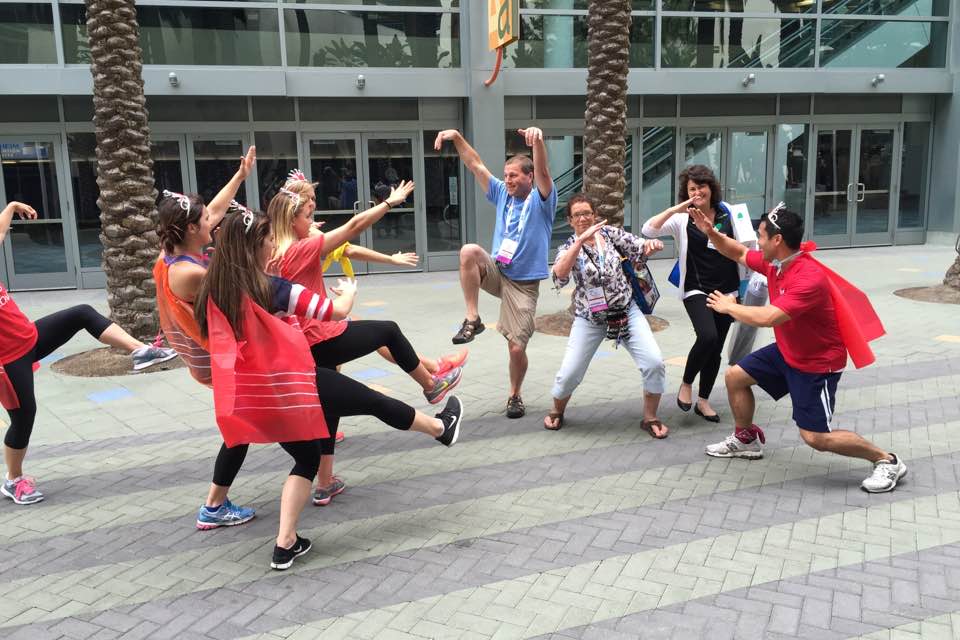
These are the gold. Team selfies, dramatic reenactments, funny poses, creative prompts, and clips that become instant company lore.
Physical challenges
Nothing too intense — just enough movement to get people out of their chairs, into the sunshine, and slightly stoked.
H3: Social challenges
High-fives, stranger interactions, group poses, or team shout-outs that get people out of their comfort zone without making it awkward.
A few examples:
- Take the most dramatic team photo possible.
- Solve a clue that leads to a hidden checkpoint.
- Find something that represents your company values.
- Recreate a famous movie scene as a team.
- Complete a mini fitness challenge before unlocking the next clue.
- Make the judges laugh with a 10-second video.
Keep the event around 60 to 90 minutes. That’s usually enough time to build momentum without turning the day into an endurance test. And please: no cheesy trust falls. Your team deserves better.
4. Plan the Logistics Without Killing the Fun
A great scavenger hunt team building activity feels effortless for participants, but behind the scenes, it needs structure.
Start with the basics:
- Where will the hunt take place?
- How long will teams have?
- How will clues be delivered?
- How will points be scored?
- Where will teams submit photos, videos, or answers?
- Who is hosting, judging, and keeping time?
- What happens if a team gets stuck?
The location should match your goal. An office hunt can be great for onboarding or smaller teams. A neighborhood or city hunt adds energy and movement. A park or beach gives you that California-cool, fresh-air, Healthy Hour vibe. A virtual platform works well for remote teams who still deserve something better than another Zoom trivia night.
Set clear rules before the hunt starts. People should know exactly how to earn points, what counts as a completed challenge, and when they need to be back.
The smoother the structure, the more freedom your team has to play.
For materials, you may need:
- Digital or printed clues
- A mobile app or submission platform
- Props for certain challenges
- Scorecards or a live leaderboard
- Branded prizes or swag
- A wrap-up location for food, drinks, and awards
Want to make it feel extra polished? Add a live leaderboard. Nothing wakes up a room faster than realizing another team is five points ahead. People who “aren’t competitive” suddenly become very competitive. It’s beautiful.
5. Run It Like an Event, Not a Committee Project
Execution is where a scavenger hunt team building game either becomes epic or completely falls flat.
Start with a high-energy kickoff. Set the tone fast. Explain the rules, introduce the objective, divide teams, answer the obvious questions, and then send everyone off before the energy dips.
During the hunt, keep things moving:
- Drop hints if teams are truly stuck
- Send mid-event updates to build momentum
- Share leaderboard snapshots
- Add surprise bonus challenges
- Make sure quieter teammates are getting pulled in
- Keep scoring fair and transparent
The best team building scavenger hunts balance competition with connection. Yes, teams are trying to win. But the real win is getting people to communicate, laugh, solve problems, and see each other in a new way.
And don’t underestimate the power of small incentives. Bonus points, surprise rewards, custom medals, branded swag, trophies — they all add stakes. People love having something to play for, especially if it comes with bragging rights.
6. Wrap It Up with Recognition, Stories, and a Little Celebration
Do not just announce the winner and send everyone back to their inbox. The wrap-up is where the whole experience lands. Bring everyone together after the hunt. Share the best photos and videos. Celebrate the funniest moment, the most creative solution, the most dramatic team pose, the most chaotic strategy, and the team that somehow got wildly lost but stayed stoked anyway.
Then announce the winners and hand out prizes.
This is also the perfect time for a quick debrief. Keep it casual, not corporate. Ask:
- What was your best strategy?
- What challenge totally threw you?
- What did you learn about your teammates?
- What was the funniest moment?
- Who surprised you?
That five-minute reflection turns a fun afternoon into something that actually connects back to work. Teams start seeing how they communicate, who naturally leads, who keeps morale high, and who can solve a clue under pressure with scary accuracy. That’s the good stuff.
7. Keep the Ideas Fresh
Once your team has done one great team building scavenger hunt, they’ll probably want another. The key is not repeating the exact same thing every time. Rotate your team building scavenger hunt ideas so each event feels fresh.
Try themes like:
- Summer city adventure
- Wellness and movement hunt
- Company values challenge
- New hire onboarding hunt
- Holiday scavenger hunt
- Beach or park challenge
- Community giveback route
- Office Olympics-style hunt
- Photo and video creativity challenge
- Retreat kickoff adventure
The format stays familiar, but the experience feels new. That’s how you keep people engaged instead of making team building feel like another calendar obligation.
Build a Team That’s Actually Stoked to Show Up
A well-planned team building scavenger hunt is more than a fun break from the workday. It’s a high-energy way to build trust, improve communication, and create real connections without forcing people into awkward activities they secretly hate.
When you set a clear goal, design challenges people actually want to do, keep the logistics smooth, and wrap it all with recognition and celebration, you get a scavenger hunt team building activity that feels personal, memorable, and genuinely fun.
Your team gets outside. They move. They laugh. They compete. They collaborate. They make memories. That’s the kind of team building people talk about later.
Ready to plan something epic? Contact us to plan an event. Build a scavenger hunt team building experience your team will actually be stoked about.
No more trust falls. No more forced fun. Just a wildly good time with real team impact.