

How to Plan a Corporate 5K: A Step-by-Step Guide for a Successful Event
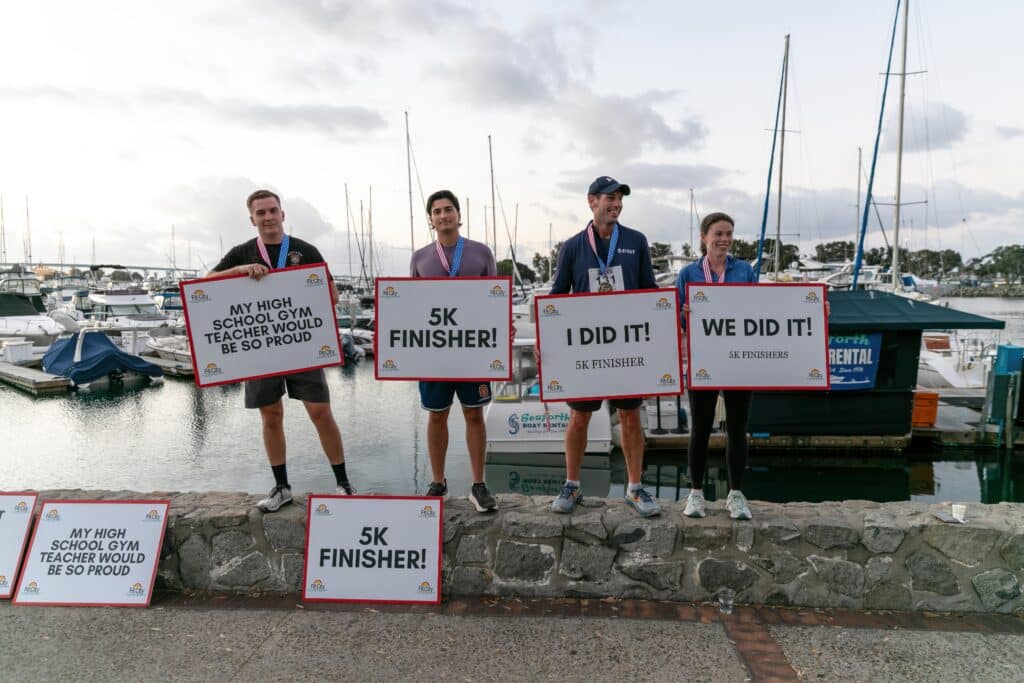
A corporate 5K is a practical way to boost employee wellness, engagement, and team connection, but success depends on clear planning and execution. This guide shows you how to plan a 5k event that runs smoothly from start to finish.
Main points:
- Define clear goals to guide participation, format, and outcomes
- Build a realistic budget that prioritizes safety and participant experience
- Choose a date and route that maximize turnout and accessibility
- Plan logistics in detail, including registration, staffing, and course setup
- Promote early and keep participants engaged before, during, and after the event
A corporate 5k should feel like a break in the day, not another meeting added to the calendar. It gives people a reason to step outside, move their bodies, and connect in a way that feels natural and social.
The right 5k corporate run creates energy that carries back into the workplace. It supports wellness goals, builds stronger teams, and gives people something to look forward to. There’s data behind that too. Workplace wellness programs are linked to higher engagement and lower turnover, which is why more companies are investing in run events and active experiences.
This guide walks through how to plan a 5k, step by step, with a focus on making it feel fun, easy, and well-organized from start to finish.
Start with a Clear Goal
Every successful 5k corporate event begins with a clear purpose, and taking the time to define that purpose early makes every other decision easier and more intentional.
Before getting into logistics, outline what you want this event to achieve. Most organizations typically focus on one primary goal, even if the event delivers multiple benefits.
- Employee wellness and movement
- Team connection and morale
- Brand visibility or community presence
- Fundraising for a cause
After defining the goal, decide who will participate, since this will directly influence planning complexity and overall event design.
- Employees only
- Friends and family included
- Open to the public
Your number of participants plays a major role in shaping the experience. A smaller, well-executed 5k run often creates stronger engagement than a larger event that feels crowded or disorganized.
Budget the Right Way (and Use Sponsorships)
The budget for your 5k event should be built around the participant experience, not just a list of expenses, which means focusing first on what people will actually notice and remember.
Start by allocating resources to the elements that directly impact comfort, flow, and energy throughout the event.
- Smooth race day logistics
- Clear signage along the course
- Music and atmosphere
- Water stations and light snacks
- Safety coverage and EMT support
Once these essentials are covered, you can start layering in enhancements that elevate the event.
Sponsorships are one of the most effective ways to upgrade a 5k corporate run while managing costs. They work best when integrated naturally into the experience rather than feeling like separate promotions.
Consider branding opportunities that participants interact with throughout the event.
- Mile markers with sponsor logos
- Custom bibs
- Branded start and finish arch
- Water or snack stations
- Medals or giveaways
You can also build sponsor visibility into key moments like warm-ups, recovery zones, or post-event celebrations, which adds value for partners while improving the overall feel of the 5k event.
Choose the Right Time (Let People Sleep In)
Timing makes or breaks the participation rates way more than most planners expect, and choosing the right window can improve turnout and overall energy.
Early morning events may seem efficient, but they often feel rushed and can discourage participation. A later start time allows people to arrive relaxed and ready to engage.
Late morning or afternoon runs tend to work especially well for corporate groups and conferences, where schedules are already full and flexibility matters.
When the timing feels easy and convenient, more people show up, and the overall experience of the 5k run improves.
Pick a Location That Feels Easy
The location of your 5k corporate event should remove friction, not add to it, which means prioritizing convenience, accessibility, and simplicity. You can host the event on company property, use a public space, or even model your setup after a structured 5k run or walk to simplify planning.
The most effective locations share a few key characteristics that make planning and participation easier.
- Start and end in the same place
- Close to hotels or conference spaces
- Minimal need for road closures
Using a hotel or convention center property is often the most efficient approach because it reduces permit requirements and keeps everything centralized.
If your route extends into public areas, it is important to follow safety guidelines and local regulations. Resources like RRCA offer helpful direction for planning safe and compliant run events:
Design a Route People Enjoy
A successful 5k event goes beyond distance and logistics and instead focuses on creating an experience that participants enjoy from start to finish.
When designing your route, think about how it can showcase the location in a way that feels engaging and social rather than purely functional.
- Scenic paths or waterfront routes
- Loops that keep participants connected
- Landmarks or visually interesting areas
It is also important to match the route to your number of participants so the course feels comfortable and easy to navigate without congestion or gaps.
Plan the Start and Finish Area
The start and finish area acts as the central hub of your event, and because participants spend a significant amount of time there, it should feel organized, welcoming, and easy to navigate.
This space sets the tone at the beginning and brings everyone back together at the end, so thoughtful setup makes a noticeable difference.
Always include elements that support both function and atmosphere.
- Clearly marked check-in area
- Visible start and finish structure
- Open space for gathering
- Music or DJ for energy
When this area is well planned, it creates a strong first impression and keeps the event flowing smoothly.
Organizing Your 5K without Overcomplicating It
When organizing your 5k, the goal is to simplify the experience for participants while ensuring everything runs smoothly behind the scenes.
This requires putting systems in place early so that race day feels easy and efficient rather than rushed or reactive.
Focus on securing the core operational pieces in advance.
- Registration system and participant tracking
- Defined staff roles and responsibilities
- Course setup and signage placement
- Safety planning and EMT coordination
To further streamline the experience, handle as many details as possible before race day, such as distributing bibs and shirts during conference check-in.
This allows participants to arrive ready, reducing wait times and keeping the event flow consistent.
Add Energy with Fit City Style Experiences
A 5k corporate run should feel like an experience from beginning to end, and adding the right elements can transform it from a simple run into something memorable.
Start by building energy before the event begins so participants feel engaged right away.
- Live DJ at check-in
- Group warm-up session
- Emcee to guide the event
Continue that energy after participants cross the start and finish line by creating opportunities to gather, celebrate, and connect.
- Silent disco dance party
- Stretch and recovery zone
- Branded photo moments
You can also enhance the experience with structured options like our Pace Partners Run,
which support participants of all levels and keep engagement high.
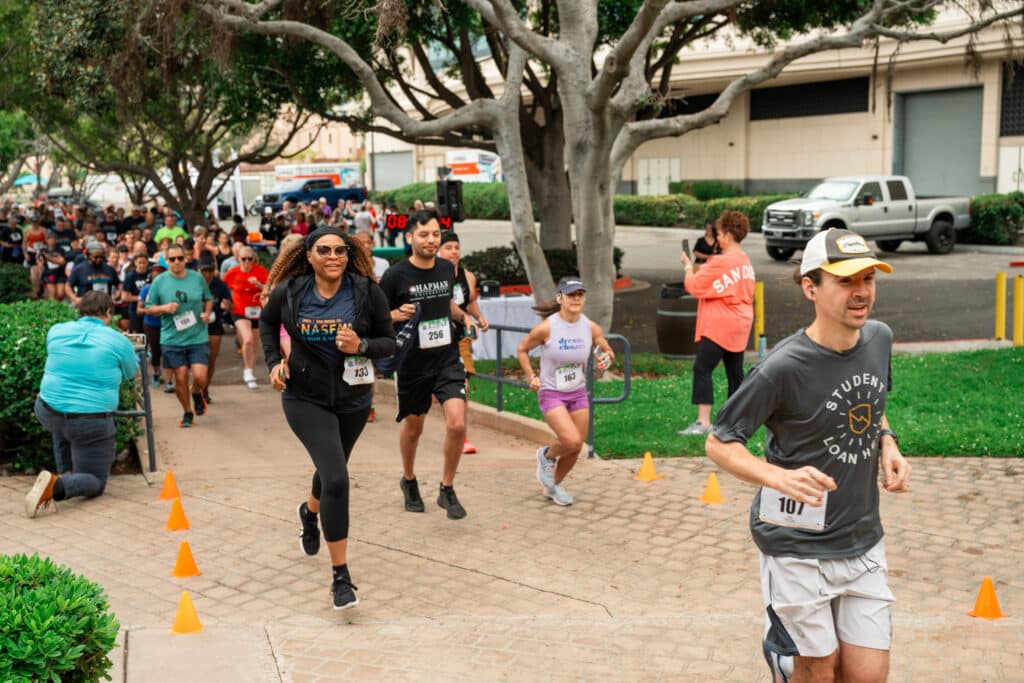
Promote the Event and Build Participation
A well-planned 5k event still needs strong participation to succeed, and consistent communication plays a major role in driving that turnout.
Instead of relying on one announcement, build awareness over time using simple and familiar channels.
- Internal email announcements
- Slack or Teams updates
- Calendar invites
Adding a social component can also increase engagement by making participation feel more interactive and rewarding.
- Department challenges
- Team-based sign-ups
- Light incentives or recognition
The goal is to create an environment where people want to join, rather than feel obligated to attend.
Prepare Participants Before Race Day
The period leading up to race day is an important opportunity to build excitement and ensure participants feel prepared.
Regular communication helps reduce uncertainty and keeps the event top of mind.
Share useful and relevant information such as:
- Event timing and location
- What to expect on the day
- Simple training or pacing tips
Highlighting participants or teams can also build momentum and create a stronger sense of community leading into the event.
Programs like Pace Partners Run offer additional structure and support, helping participants stay engaged and confident.
Race Day Execution
On race day, the focus should be on delivering a smooth and enjoyable experience from arrival to finish.
When planning has been done well, execution becomes much more straightforward and less stressful for both staff and participants.
Keep the event running smoothly by focusing on flow and clarity.
- Quick and efficient check-in
- Clear course directions
- Visible and helpful staff
Small details make a big impact, including easy access to water, clear signage, and strong energy at the start and finish.
A well-executed 5k run feels organized without being rigid.
After the Event
The end of your 5k corporate run is the beginning of your follow-up, and taking the time to close the loop properly helps reinforce the value of the wellness event.
Sharing highlights allows participants to relive the experience and strengthens overall engagement.
After the event, focus on:
- Sharing photos and key moments
- Highlighting participation numbers
- Thanking participants, volunteers, and sponsors
Collecting feedback is equally important, as it provides insight that can improve future 5k event planning and execution.
Ready to Plan Your Next Corporate 5K?
Planning a corporate 5k comes down to thoughtful structure, clear communication, and creating an experience that people genuinely enjoy.
If you are looking for guidance on how to plan a 5k run or want to build a standout 5k corporate run, having the right approach makes all the difference. Contact us today to plan a 5k corporate event, a reliable way to bring people together.